Zhiweiya
 English
 中文
中文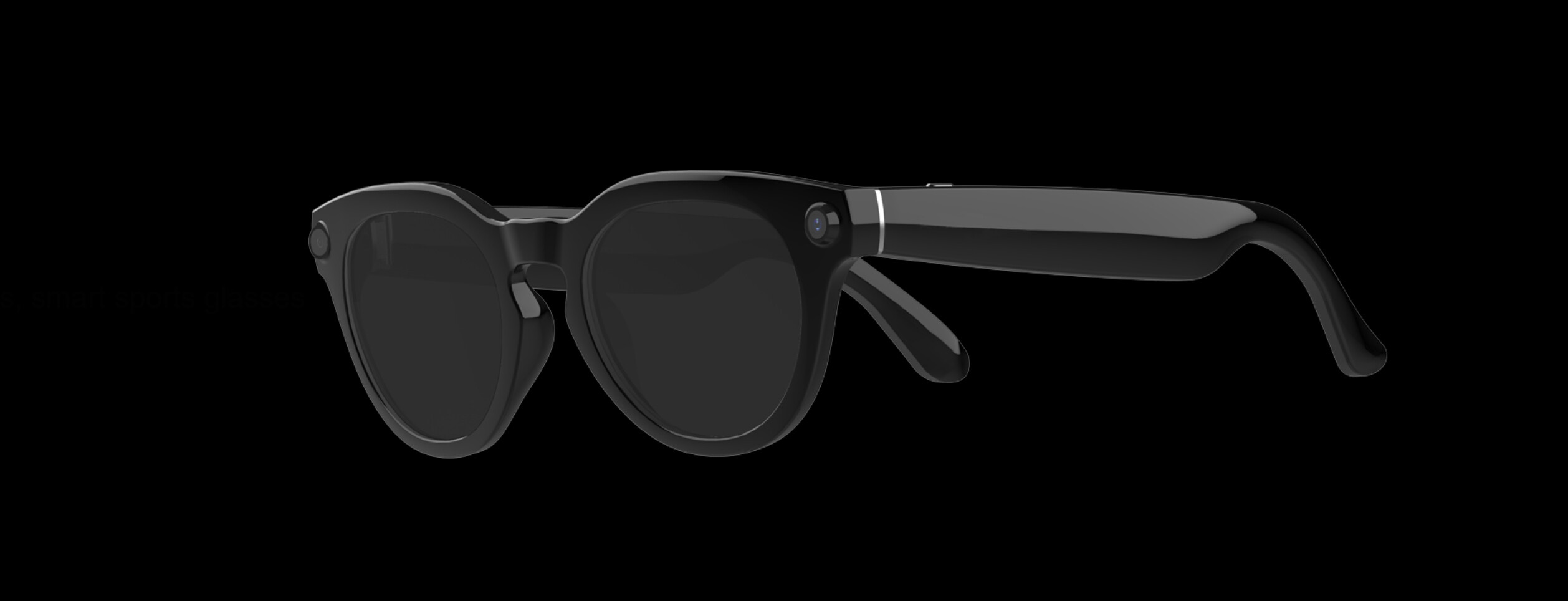
NEWS
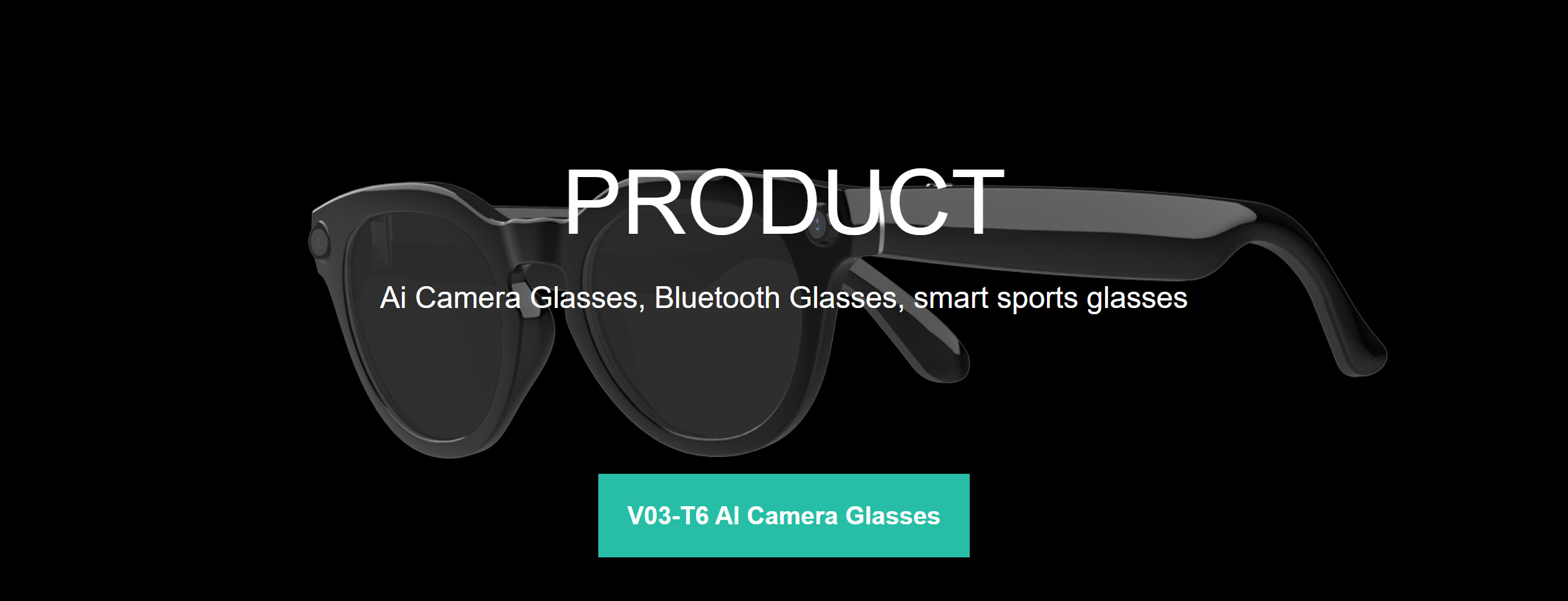
AI-Powered Glasses: A Silent Visual Revolution Unfolds
On the cobblestone streets of Istanbul’s historic district, German architect Markus adjusts his smart glasses. Instantly, the weathered Ottoman buildings before him light up with digital overlays—displaying construction dates and architectural styles in real time.
As his gaze lingers on a finely carved lintel, the glasses auto-frame the scene and capture the moment — silently, seamlessly, and intelligently.
This isn’t science fiction. It’s the new reality made possible by AI-powered camera glasses.
1.Reimagining Visual Perception with AI
The latest generation of AI camera glasses is powered by a bionic vision chip with computing capabilities 50 times greater than the first-generation Google Brain system launched in 2012.
By integrating micron-level camera arrays with neuromorphic sensors, the device completes the entire process—from light capture to semantic understanding—in just 0.3 seconds.
OPPO Air Glass 3’s circular retinal projection technology achieves a display resolution of 60 pixels per degree, approaching the maximum limit of human retinal perception.
2.Disruptive Applications: Just the Tip of the Iceberg
At the mural restoration site of the Dunhuang Academy, researchers use smart glasses to automatically identify areas of paint peeling and provide restoration suggestions by referencing historical data. In medical classrooms at the University of Tokyo, students' glasses display real-time, layered 3D anatomical images and automatically generate personalized study notes.
Innovative use cases have also emerged in the consumer market: travel bloggers record vlogs by blinking, food delivery drivers control navigation systems with eye movements, and designers create virtual models directly within retinal-projected interfaces.
Even more astonishingly, some models now feature visual memory augmentation, which organizes visual input into retrievable memory maps.
This rapidly growing $24 billion market faces three major challenges:
– navigating the technological boundaries of privacy and security,
– redefining human-computer interaction,
– and balancing high-performance displays with battery life.
The European Union’s latest ethical guidelines for wearable AI devices require that all visual enhancement products include physical shutters and clear recording indicators to ensure transparency and user protection.